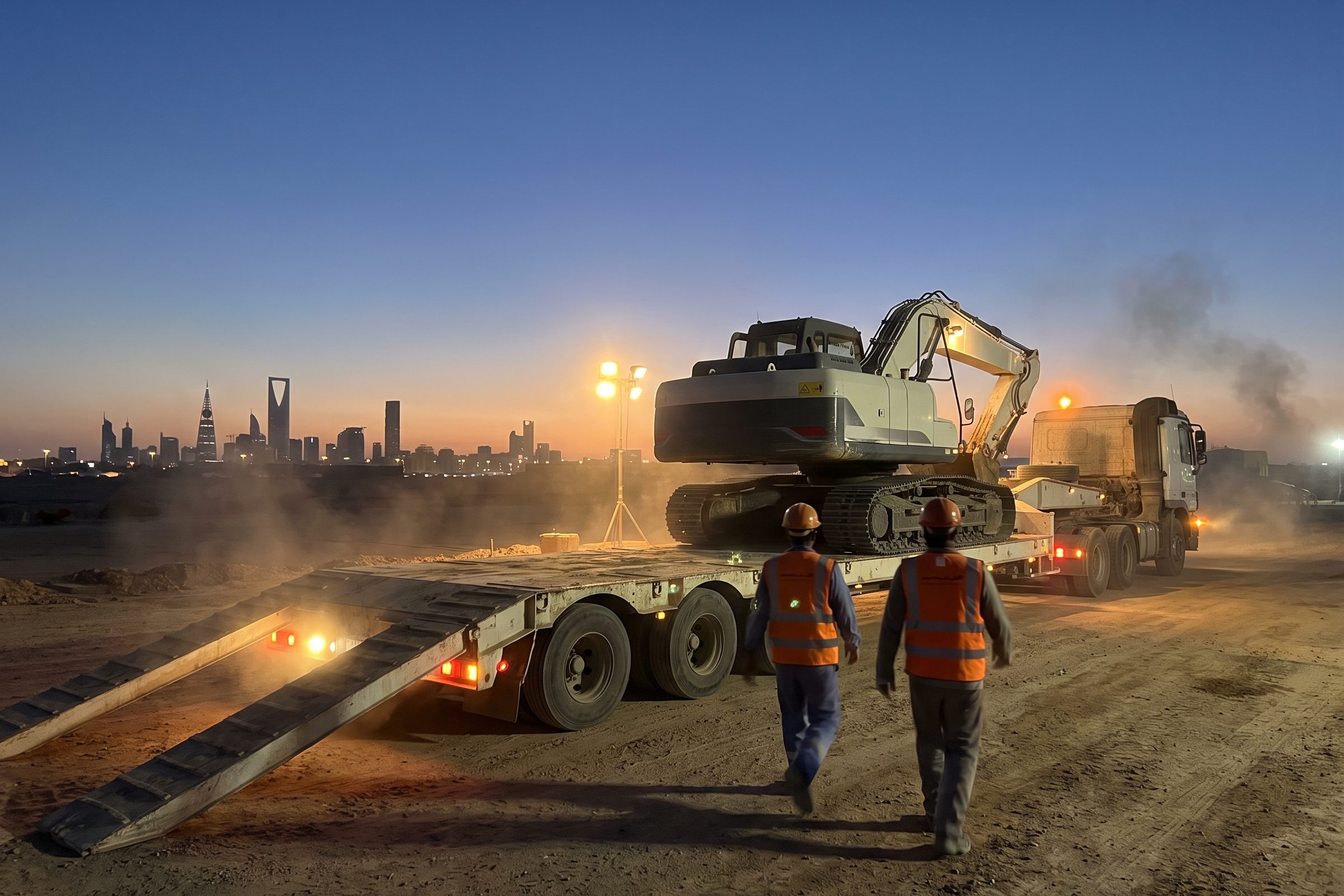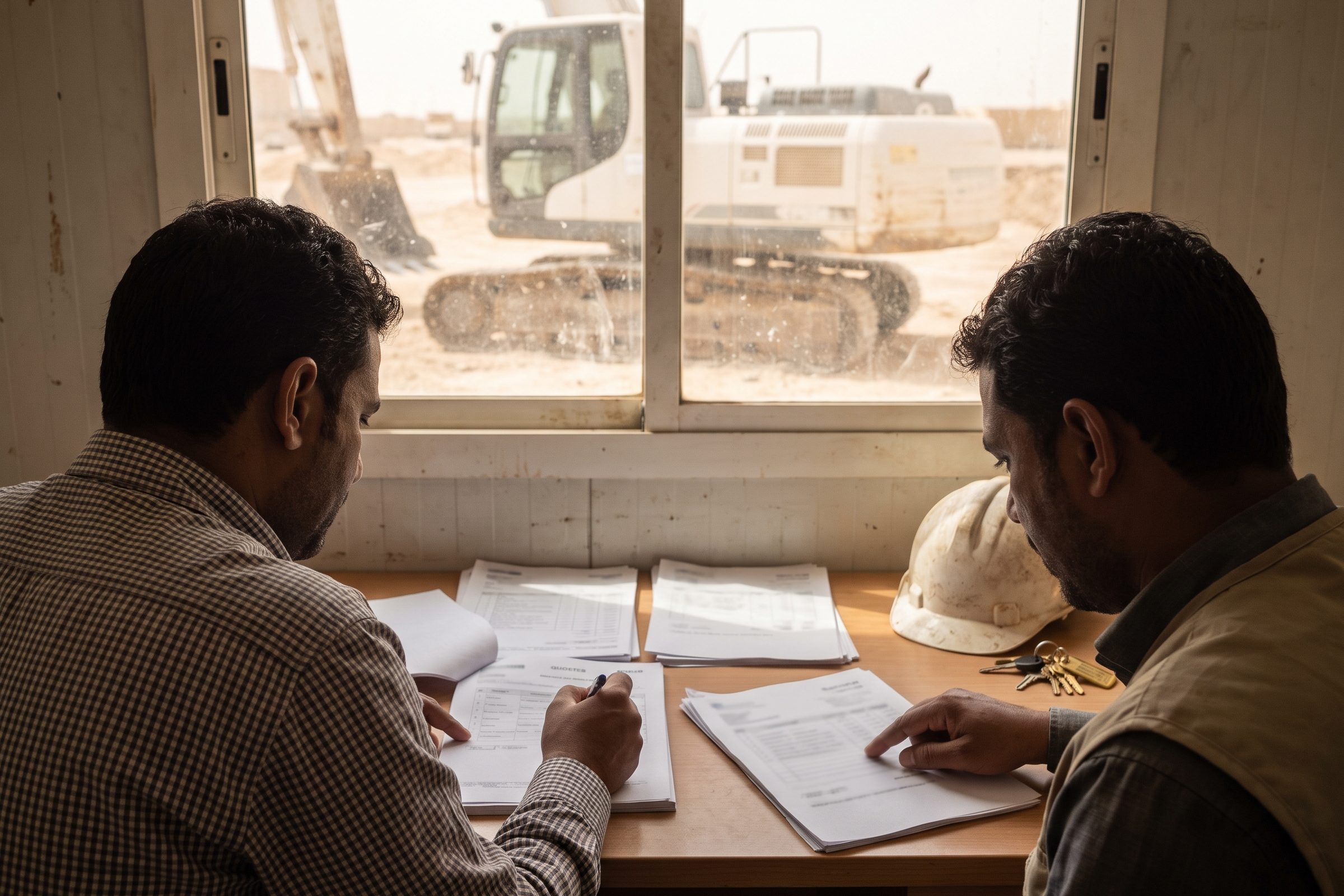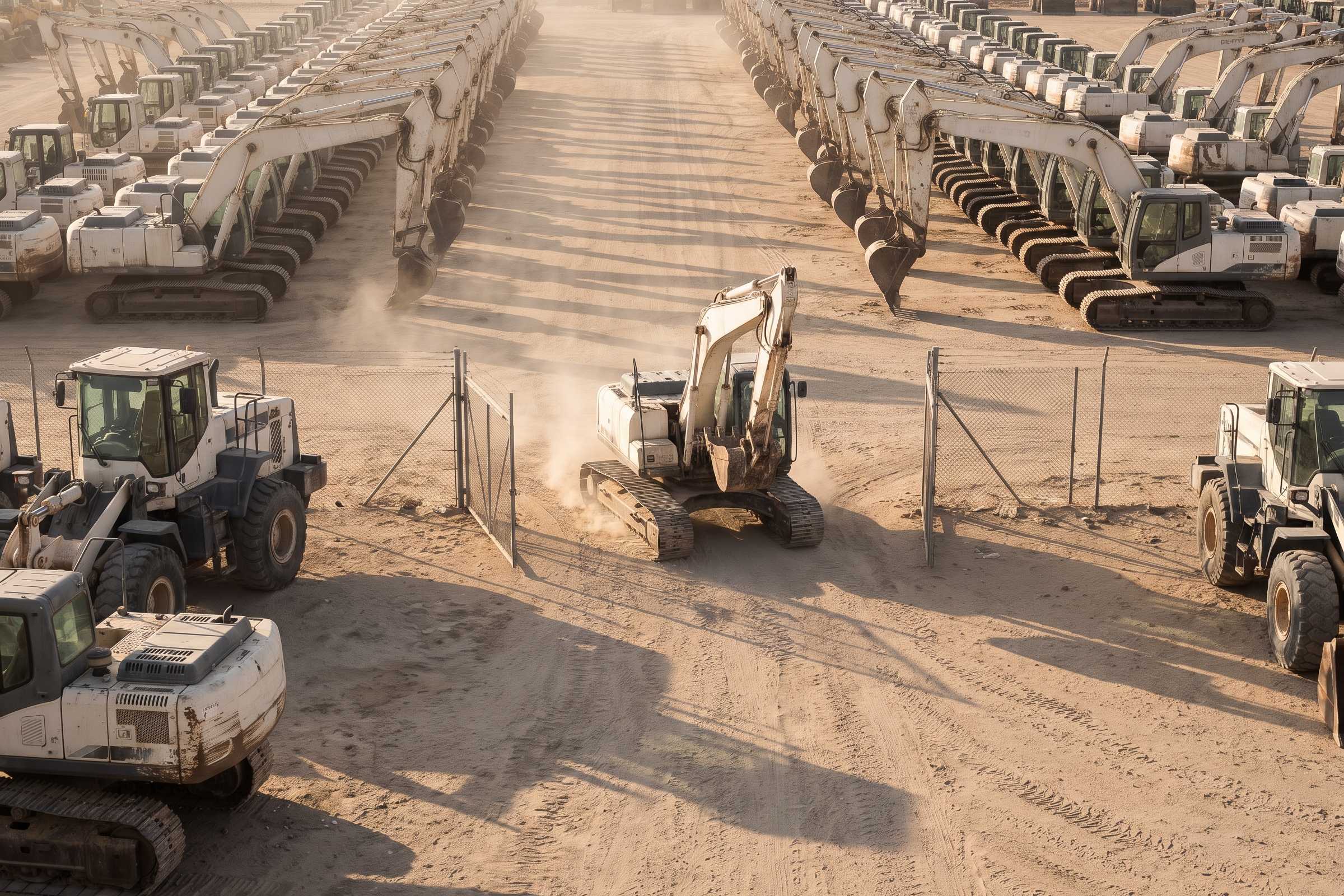


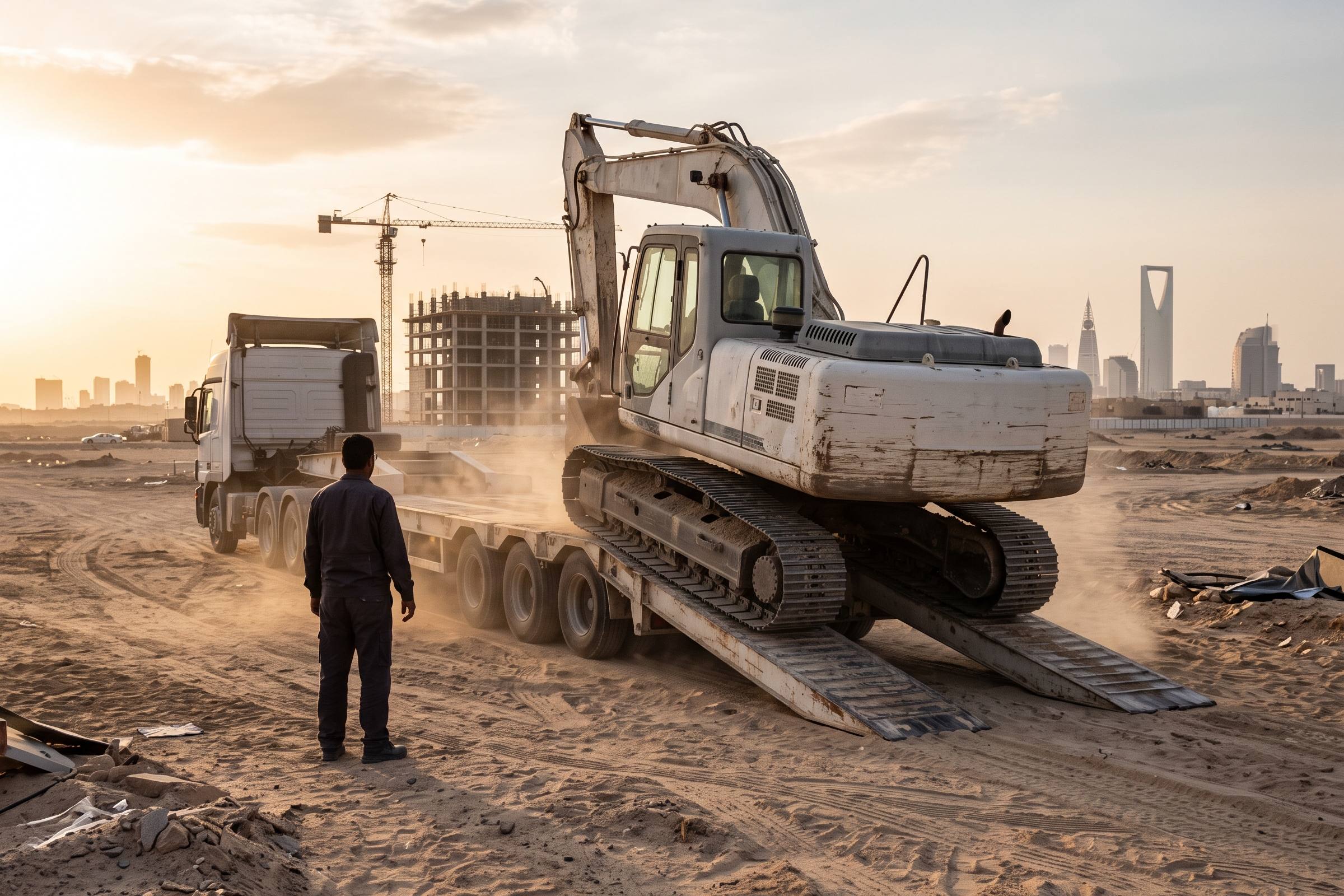
Calls are serial. A written request is parallel. That single difference is most of the week you lose.
A site engineer needs a machine. He calls the yard he used last time: busy, or they have the machine but not the attachment, or they will call back. He calls a second yard, then a third. WhatsApp fills with voice notes and a photograph of a handwritten quote. Every call is a step that waits for the one before it.
In short
- One written request reaches every yard at once, so the waiting happens in parallel instead of in sequence.
- Comparability is the real gain. Replies to the same structured question line up; three phone calls never do.
- Supply depth varies enormously by size. A 20-tonne excavator is quoted more often than any other size; a D9 dozer only rarely.
- Some machines are national, not local, and transport is then a real line in the budget.

Why the offers become comparable
When every supplier answers the same structured request, the replies line up: same machine class, same dates, same site, same question about operator and fuel. The difference between two offers is then genuinely a difference between two offers, not an artefact of two different phone conversations.
That is what makes a decision fast. Not that the quotes arrive sooner. That they arrive in a form you can put side by side.
What a complete request carries
The machine and its size; the dates, and whether they can move by a day; the site and its access; who provides the operator, the fuel and the transport; and how long the machine is needed. A request missing any of those turns into a conversation, and conversations are what cost the day.
How deep is the supply for your machine?
This is the part most sourcing plans get wrong. "Riyadh has plenty of machines" is true of some sizes and false of others. Counting quotes over five months, in the city and across the Kingdom:
| Machine and size | Where the answers come from |
|---|---|
| Crawler excavator, 20 t | About a third from outside Riyadh |
| Backhoe loader, 74-109 hp | About half from outside Riyadh |
| All-terrain crane, 50 t | Nearly half from outside Riyadh |
| Forklift, 10 t | Almost all from Riyadh itself |
| All-terrain crane, 100 t | Two in three from outside Riyadh |
| Dozer, D9 class | All from Riyadh itself |
Read the second column against the first
For a 100-tonne crane, two out of three of the yards that answer are outside Riyadh, so a request that stops at the city ring road is asking a third of the market. A 10-tonne forklift is the opposite: almost every answer comes from inside the city.
Where the machine has to travel, transport stops being a detail. Median one-way mobilisation runs from about 1,000 SAR on a 20-tonne excavator to 5,500 on a D8 dozer, and it is charged again to take the machine home.
What has not changed
Speed does not remove the need to check what arrives. The walk-around at handover, the hour meter, the condition of the undercarriage, whether the machine on the trailer is the machine on the offer. Those still matter, and they still take the same ten minutes they always did.
- Write the job once, with the five points above in it.
- Send it wider than your contact list: a supplier can answer a shared request without an account.
- Allow lead time on thin sizes, and ask for transport as a number, both ways.
- Compare on one basis: rate, inclusions, operator, arrival date.
Current ranges per machine are on the rental rates page; how a request works explains the rest.
Source: Moedatech platform data. The published ranges rest on 13,820+ supplier quotes given on the platform between April and August 2026. Figures on this page are Riyadh unless stated, in Saudi riyals, excluding VAT. A quote count in a table is the number of offers received for that one machine size in that period; it is not a measure of how many suppliers or machines are on the platform, which the company publishes separately. Operator share and mobilisation are medians across the quotes for that size, and a price range is the middle half of them, so a quarter of offers sit below it and a quarter above.